

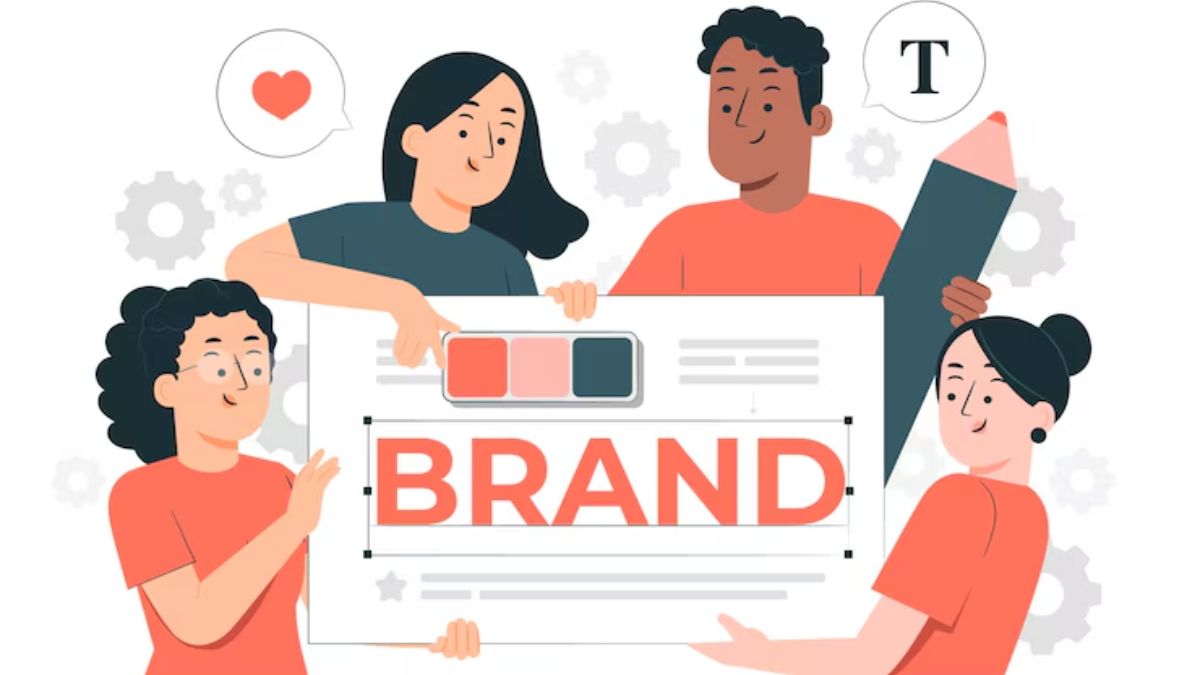
A logo may be the face of your brand — but it’s never the whole story.
Today, brands don’t live in one place. They exist everywhere your audience encounters you: across websites and apps, on social media, in packaging, within physical spaces, through customer support conversations, and even inside internal tools.
A powerful brand isn’t defined by a single mark. It’s defined by a cohesive, intentional experience that feels seamless, authentic, and unmistakable at every touchpoint.
Here’s how brands can move beyond the logo to create experiences that scale, resonate deeply, and build lasting trust.
Table of Contents
ToggleDesigning for Consistency Across Every Touchpoint
Consistency is the backbone of brand recognition. When visual elements feel disconnected across platforms, confidence fades and clarity suffers.
What true visual consistency looks like:
-
Unified colour palettes, typography systems, and imagery styles
-
Cohesive layouts across websites, apps, social channels, and advertising
-
Physical touchpoints — signage, packaging, printed materials — that reflect the same visual language
Consistency isn’t about rigid repetition. It’s about recognizability. Each touchpoint should adapt naturally to its environment while still feeling undeniably “on brand.”
Why it matters:
-
Strengthens brand recall
-
Builds credibility and professionalism
-
Creates intuitive, frictionless customer journeys
When design feels aligned, customers feel guided — not confused.
Expressing Personality Through Intentional Design
Design is one of the most powerful storytelling tools a brand possesses. Every visual choice communicates meaning.
Is your brand bold or restrained? Playful or authoritative? Human-centered or technical?
These answers aren’t written in a tagline alone — they’re embedded in your visual system.
Ways to bring personality to life:
-
Typography that reflects tone and confidence
-
Colour systems that evoke emotion and reinforce positioning
-
Imagery styles that mirror your audience’s identity and your brand’s values
-
Motion and spacing that shape how your brand feels in interaction
When design aligns with story, people don’t just recognize your brand — they experience it.
Building Scalable Design Systems
As brands grow, complexity increases. New channels emerge. Teams expand. Without structure, consistency quickly erodes.
A scalable design system provides clarity and guardrails, empowering teams to move quickly without sacrificing cohesion.
Key components of an effective design system:
-
Clear, accessible brand guidelines
-
Modular UI components and reusable patterns
-
Defined rules for typography, colour usage, spacing, and accessibility
-
Documentation that supports collaboration across marketing, product, and development
A strong system eliminates guesswork. It allows teams to create confidently without reinventing the wheel — preserving brand integrity while accelerating growth.
Aligning Marketing, Product, and Customer Experience
A brand experience fractures when departments operate in isolation. Marketing may tell one story. The product interface another. Customer support a third.
The result? Inconsistency — and lost trust.
Alignment looks like:
-
Shared brand principles guiding every team
-
A unified tone of voice across campaigns, interfaces, and service interactions
-
Design decisions informed by real customer journeys, not surface-level aesthetics
When marketing, product, and customer experience teams rally around a shared brand vision, the journey feels intentional — from first impression to long-term loyalty.
The Bigger Picture
The strongest brands aren’t built on logos alone. They’re shaped by intentional design, consistent storytelling, and meaningful interactions that unfold over time.
A cohesive brand experience doesn’t just look polished — it feels thoughtful. It signals care. It builds trust.
And trust is what endures.
If you’d like, I can also tailor this into a LinkedIn article version, a website landing page, or a more sales-driven conversion piece.