


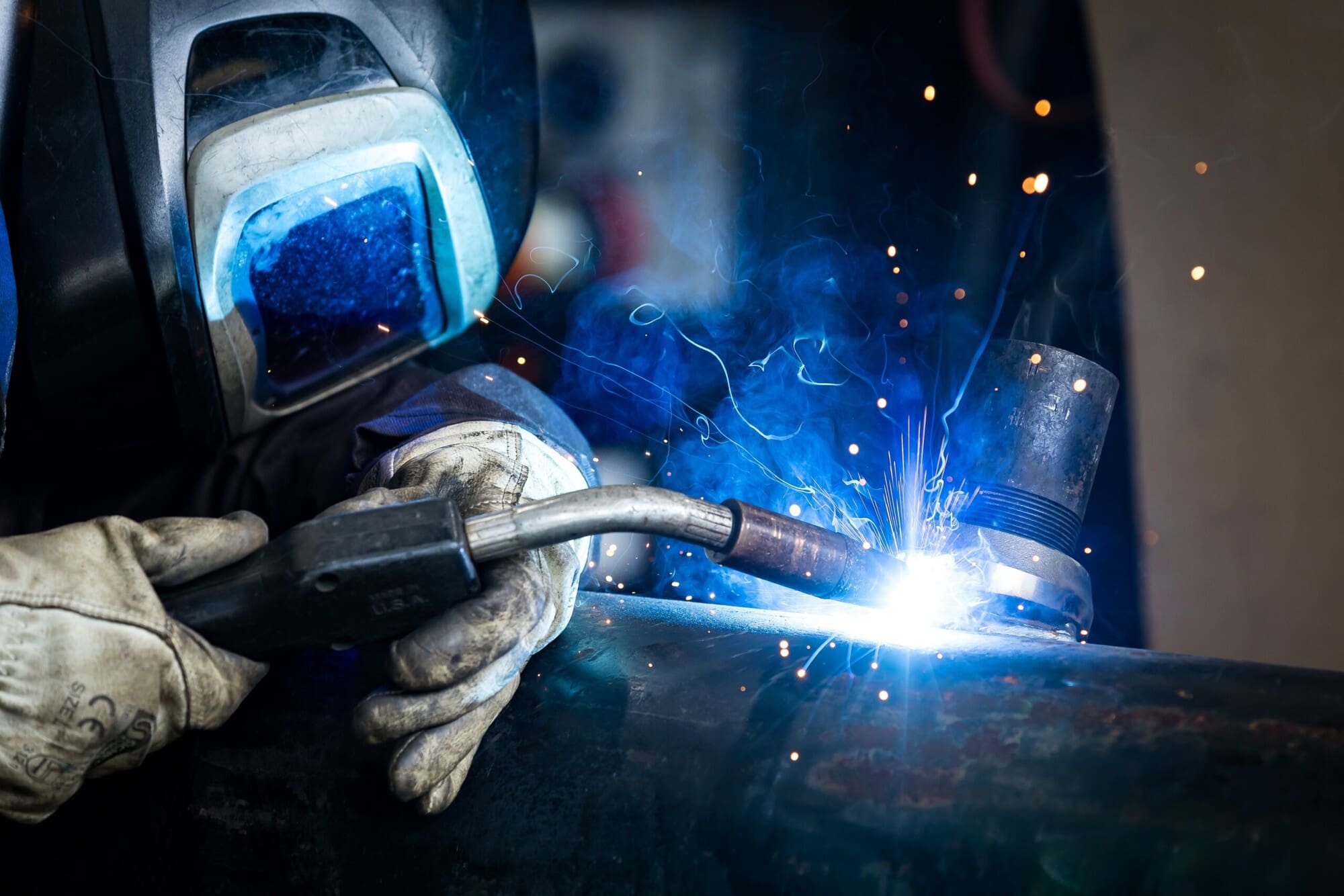

Welding is one of the most important processes in modern manufacturing, construction, repair and fabrication. It allows workers to join metals and create structures that are essential to countless industries. At the same time, welding environments can expose workers to heat, sparks, fumes, ultraviolet radiation, electrical hazards, fire risks and other dangers.
As workplaces, materials and welding technologies evolve, safety practices must evolve with them. A safety programme that worked years ago may not address today’s equipment, materials, work environments or emerging risks. Protecting welders therefore requires a proactive approach that combines engineering controls, appropriate protective equipment, training, workplace planning and continuous risk assessment.
Understanding the Changing Welding Environment
Modern welding is not limited to traditional workshops. Welders may work in factories, construction sites, shipyards, maintenance facilities, confined spaces and outdoor environments.
Each setting introduces different risks. A worker in a controlled fabrication shop may have access to ventilation systems and designated welding areas, while someone performing repairs on a construction site may face changing weather, nearby workers, combustible materials and difficult access.
Materials are also changing. New alloys, coatings, paints and surface treatments can introduce hazards that may not be obvious simply by looking at the workpiece.
This makes ongoing hazard assessment essential.
Welding Fumes and Air Quality
Welding fumes remain a major occupational concern. The composition of welding fumes can vary depending on the welding process, base metal, filler material, coatings and contaminants on the surface being welded.
Good ventilation is therefore one of the most important elements of a welding safety programme.
Local exhaust ventilation can capture contaminants near their source before they spread through the worker’s breathing zone. General ventilation may also be necessary depending on the workspace.
Respiratory protection may be required in situations where engineering controls cannot adequately control exposure. Employers should select and manage respiratory protection according to applicable occupational safety requirements.
The Importance of Personal Protective Equipment
Personal protective equipment, or PPE, provides an important layer of protection when hazards cannot be completely eliminated.
Welders commonly require appropriate welding helmets, eye protection, gloves, protective clothing and suitable footwear.
Welding helmets protect the eyes and face from intense light, sparks and molten material. The appropriate lens shade depends on the welding process and operating conditions.
Protective clothing should be selected based on the hazards involved. Loose synthetic fabrics can present serious risks around sparks and heat, so clothing must be appropriate for welding operations.
PPE should also be inspected regularly. Damaged gloves, cracked lenses or worn protective clothing should be replaced.
Fire Prevention Is Critical
Welding produces sparks and high temperatures, making fire prevention essential.
Before welding begins, workers should inspect the area for combustible materials and determine whether sparks or molten metal could reach nearby surfaces or spaces.
Flammable liquids, gases, paper, wood and other combustible materials should be removed or adequately protected where possible.
Suitable fire-extinguishing equipment should be readily available, and workplaces should establish appropriate procedures for monitoring the area during and after hot work.
In some environments, a formal hot-work permit system may be appropriate.
Electrical Safety
Many welding processes involve significant electrical energy. Improperly maintained equipment, damaged cables, poor grounding or wet working conditions can increase electrical risks.
Welding equipment should be inspected before use and maintained according to manufacturer requirements.
Cables should be protected from damage and positioned so that they do not create additional trip hazards.
Workers should also avoid operating electrical equipment in wet conditions unless the equipment and procedures are specifically designed for those circumstances.
Working in Confined Spaces
Welding inside tanks, vessels, pipes or other confined spaces can create additional dangers.
Ventilation may be limited, fumes can accumulate and oxygen levels may become unsafe. Welding can also introduce fire, explosion or electrical hazards depending on the environment.
Confined-space work requires careful planning, atmospheric evaluation where applicable, appropriate ventilation and emergency procedures.
Workers should never assume that a confined space is safe simply because it appears empty or has been entered previously.
Protecting Against Heat and Burns
Welding involves extreme temperatures, and burns can result from direct contact with hot metal, sparks or molten material.
Workers should assume that recently welded components may remain hot even after visible welding has stopped.
Appropriate gloves and protective clothing can reduce exposure, while clear communication and signage can prevent other workers from accidentally touching hot surfaces.
Work areas should be organized so that hot materials are placed where they cannot create unexpected hazards.
Eye and UV Protection
The intense light produced by welding can damage the eyes. Ultraviolet and infrared radiation can also create risks that may not be immediately obvious.
Welding helmets with appropriate filters are therefore essential.
Nearby workers can also require protection from welding arcs. Screens, barriers or designated welding areas can help prevent other employees from being exposed to arc radiation.
Good workplace design protects not only the welder but everyone working nearby.
Training Must Evolve Too
Equipment and hazards can change, so training cannot be treated as a one-time activity.
Workers should understand the hazards associated with the specific welding processes they use, how to operate equipment safely and how to respond to emergencies.
Training should also cover PPE, ventilation, fire prevention and workplace-specific procedures.
Refresher training can be useful when equipment changes, new materials are introduced or incident investigations identify gaps in existing practices.
Automation and New Welding Technologies
Automation and robotics are transforming welding operations. Automated systems can reduce direct worker exposure to certain hazards, but they also introduce new risks.
Robotic welding cells can involve unexpected movement, stored energy and machine-related hazards. Workers may need to understand guarding, interlocks, lockout procedures and safe access requirements.
Technology can reduce some risks without eliminating the need for comprehensive safety planning.
Monitoring and Learning From Incidents
A strong safety culture does not wait for an accident before making improvements.
Near misses, equipment failures and worker observations can provide valuable information about hazards.
Employers can use this information to identify recurring problems and improve procedures.
Encouraging workers to report hazards without fear of unfair retaliation can help organizations discover risks that might otherwise remain hidden.
Building a Strong Safety Culture
Safety works best when it is treated as a shared responsibility.
Managers should provide appropriate equipment, training and resources. Supervisors should reinforce safe procedures, while workers should follow established controls and report hazards.
Open communication is particularly important in environments where conditions can change quickly.
A worker who notices damaged equipment or unexpected fumes should feel comfortable raising the concern immediately.
Preparing for Future Risks
The welding industry will continue to change. New materials, automation, energy systems and manufacturing processes may create hazards that workplaces have not previously encountered.
Safety programmes therefore need to be adaptable.
Organizations should regularly review risk assessments, equipment, training and emergency procedures. When new processes are introduced, safety considerations should be included from the beginning rather than added after problems appear.
Final Thoughts
Welding safety is not a fixed checklist. It is an ongoing process that must respond to changing equipment, materials, work environments and worker needs.
Effective protection combines hazard identification, engineering controls, ventilation, PPE, fire prevention, electrical safety, training and strong communication.
The most successful safety programmes recognize that welders face real and changing challenges every day. By listening to workers, learning from incidents and continuously improving workplace controls, employers can create environments where productivity and safety support each other.
Ultimately, keeping welders safe means keeping safety practices moving forward—just as quickly as the technology and risks within the welding industry continue to change.