


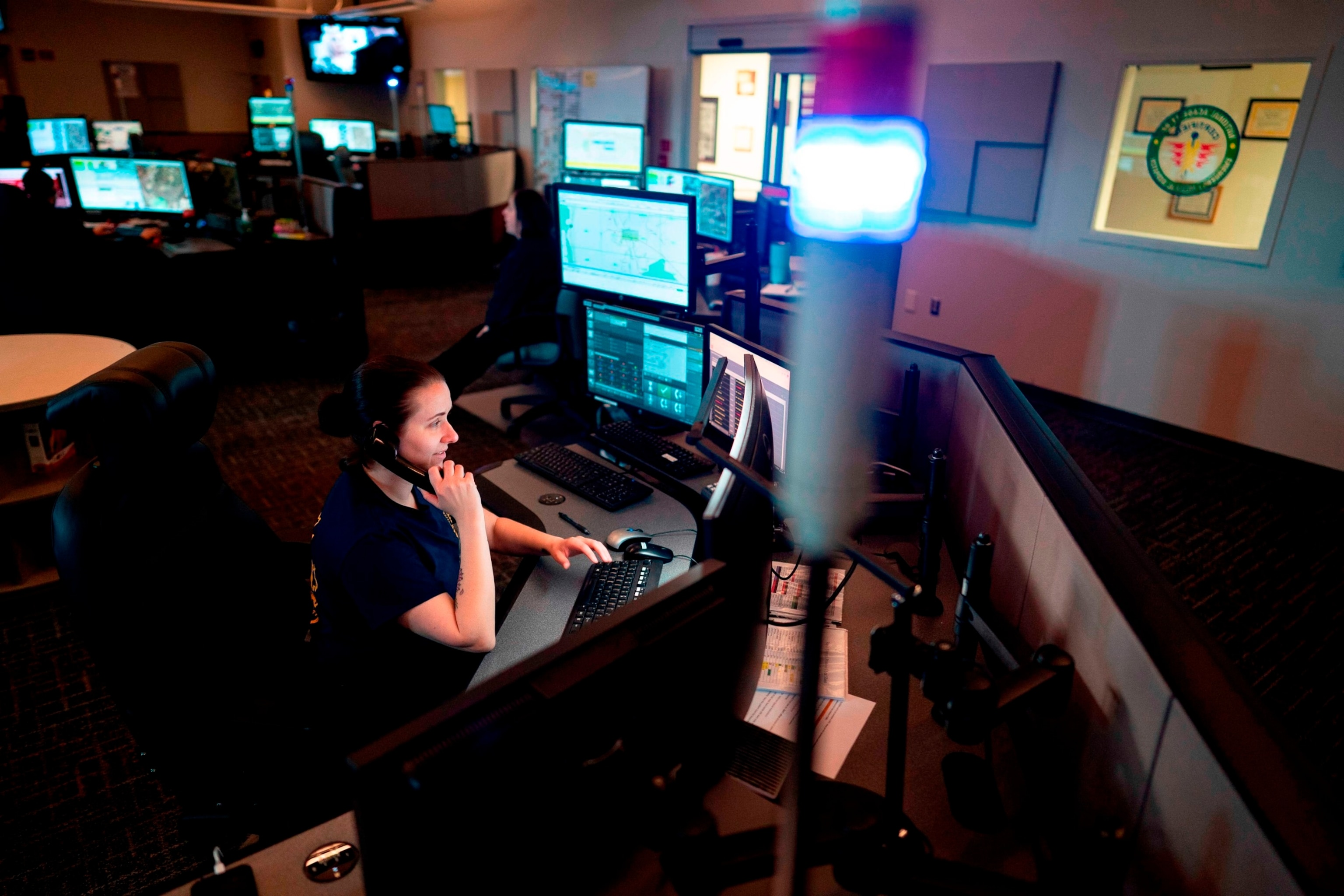

Emergency communication systems are among the most critical components of public safety infrastructure. Every day, Enhanced 911 (E-911) systems help connect people in distress with emergency responders, providing accurate location information and enabling faster response times. As these systems become increasingly digital and interconnected, they also face growing cybersecurity risks.
Cyberattacks targeting public safety infrastructure have become more frequent and sophisticated, making it essential for organizations to strengthen the security of their E-911 systems. A successful attack can disrupt emergency services, delay response times, compromise sensitive data, and potentially put lives at risk. Preparing E-911 systems for modern cyber threats is no longer optional—it is a necessity.
What Is an E-911 System?
Enhanced 911 (E-911) is an advanced emergency calling system that automatically provides dispatchers with the caller’s telephone number and location information. This technology allows emergency personnel to respond more quickly and accurately, especially when callers are unable to communicate their location.
Modern E-911 systems support communication from:
- Traditional landline telephones
- Mobile phones
- Voice over Internet Protocol (VoIP) services
- Internet-connected devices
- Next Generation 911 (NG911) platforms
These systems are designed to improve emergency response while integrating with modern digital communication networks.
Why Cybersecurity Matters for E-911 Systems
As emergency communication systems become more connected to IP-based networks and cloud technologies, they become attractive targets for cybercriminals.
Potential consequences of a cyberattack include:
- Disrupted emergency call routing
- Delayed emergency response
- Loss of critical communication services
- Unauthorized access to sensitive information
- Damage to public trust
- Increased recovery costs
Because E-911 systems support life-saving operations, maintaining their security and availability is a top priority.
Common Cyber Threats Facing E-911 Systems
Understanding potential threats is the first step toward building a strong cybersecurity strategy.
Ransomware Attacks
Ransomware encrypts critical systems and demands payment to restore access. If an E-911 center becomes infected, dispatch operations may be severely disrupted.
Emergency service providers have increasingly become targets because attackers know downtime can have serious consequences.
Distributed Denial-of-Service (DDoS) Attacks
A DDoS attack floods systems with excessive traffic, overwhelming servers and making emergency services unavailable.
Even temporary outages can prevent emergency calls from reaching dispatch centers.
Malware Infections
Malicious software can infiltrate networks through phishing emails, infected devices, or vulnerable software.
Malware may:
- Steal sensitive information
- Disrupt communications
- Damage system functionality
- Create backdoors for future attacks
Insider Threats
Not all cybersecurity risks originate from external attackers.
Current or former employees may intentionally or accidentally expose sensitive systems through:
- Weak passwords
- Unauthorized access
- Improper handling of confidential information
- Misconfigured equipment
Proper employee training significantly reduces these risks.
Supply Chain Attacks
Many E-911 systems rely on third-party vendors for hardware, software, and cloud services.
If a vendor’s systems are compromised, attackers may gain indirect access to emergency communication infrastructure.
Organizations should carefully evaluate the cybersecurity practices of all technology providers.
The Importance of Risk Assessments
Regular cybersecurity risk assessments help identify vulnerabilities before attackers can exploit them.
An effective assessment should evaluate:
- Network architecture
- Software vulnerabilities
- Access controls
- Backup systems
- Physical security
- Vendor relationships
- Incident response procedures
Routine assessments help organizations prioritize security improvements.
Implement Strong Access Controls
Controlling who can access E-911 systems is one of the most effective security measures.
Best practices include:
- Multi-factor authentication (MFA)
- Strong password policies
- Role-based access control
- Regular permission reviews
- Immediate removal of inactive accounts
Limiting access reduces opportunities for unauthorized activity.
Keep Software Updated
Cybercriminals frequently exploit outdated software containing known vulnerabilities.
Organizations should:
- Apply security patches promptly.
- Update operating systems regularly.
- Replace unsupported software.
- Monitor vendor security advisories.
Maintaining current software significantly reduces cybersecurity risks.
Network Segmentation Improves Security
Separating critical emergency communication systems from general business networks limits the spread of cyberattacks.
Network segmentation can:
- Contain malware infections
- Protect sensitive systems
- Improve monitoring
- Reduce attack surfaces
This layered security approach strengthens overall resilience.
Develop an Incident Response Plan
Even the strongest defenses cannot eliminate every threat.
Every organization operating E-911 infrastructure should maintain a documented incident response plan covering:
- Threat detection
- Incident reporting
- System isolation
- Communication procedures
- Data recovery
- Post-incident analysis
Regular exercises help staff respond effectively during actual cyber incidents.
Employee Cybersecurity Training
Human error remains one of the leading causes of cybersecurity incidents.
Training should teach employees how to:
- Recognize phishing emails
- Report suspicious activity
- Use strong passwords
- Protect sensitive information
- Follow security policies
- Respond during emergencies
Ongoing education strengthens the organization’s overall security posture.
Backup and Disaster Recovery
Reliable backups ensure that essential services can be restored quickly after a cyberattack or system failure.
Backup strategies should include:
- Automated backups
- Offsite storage
- Encrypted backup files
- Routine restoration testing
Organizations should verify that backup systems function properly before an emergency occurs.
Monitoring and Threat Detection
Continuous monitoring helps detect suspicious activity before it escalates into a major incident.
Modern security solutions may include:
- Security Information and Event Management (SIEM) platforms
- Intrusion detection systems
- Endpoint detection and response (EDR)
- Network traffic analysis
- Real-time security alerts
Early detection often prevents widespread damage.
Preparing for Next Generation 911 (NG911)
Many emergency communication centers are transitioning to Next Generation 911 (NG911), which supports text messages, images, videos, and other digital communications.
While NG911 offers significant improvements, it also expands the attack surface.
Organizations implementing NG911 should prioritize:
- Secure network design
- Encryption
- Identity management
- Continuous vulnerability testing
- Compliance with cybersecurity standards
Planning security from the beginning reduces future risks.
Building a Cybersecurity Culture
Technology alone cannot secure E-911 systems.
Organizations should promote a culture where cybersecurity is everyone’s responsibility.
This includes:
- Leadership support
- Clear security policies
- Regular audits
- Employee awareness
- Vendor collaboration
- Continuous improvement
A proactive security culture strengthens resilience against evolving cyber threats.
Conclusion
E-911 systems play a vital role in protecting lives, making their cybersecurity an essential component of modern public safety. As emergency communication networks become increasingly digital, they face growing risks from ransomware, malware, DDoS attacks, insider threats, and supply chain vulnerabilities.
Preparing E-911 systems requires a comprehensive approach that combines secure technology, employee training, regular risk assessments, incident response planning, and continuous monitoring. By investing in robust cybersecurity measures today, organizations can help ensure that emergency services remain reliable, resilient, and ready to respond when they are needed most. Protecting E-911 infrastructure is not just about safeguarding technology—it is about safeguarding the communities that depend on it.