

Ten years ago, anyone who wanted the latest and best smartphone was excited about the Nokia N95. It was unveiled in September 2006 at the Nokia Open Studio and touted as the all-in-one multimedia computer. In its first year, it sold a million handsets in the UK. It had a 2.6-inch LCD screen, a Carl Zeiss 5-megapixel camera with video recorder, up to 8GB of storage, 3G and WiFi connectivity, a built-in GPS receiver with navigation software, and everything a gadget lover could want on paper. The Nokia N95 demonstrated Nokia’s status as the leading mobile phone manufacturer worldwide. Yet, as we now know, all of that was about to change dramatically when, on Jan 9 2007, Steve Jobs announced that Apple was entering the mobile phone business with the launch of the iPhone.

The iPhone was significantly less technically advanced than the N95. It was initially a 2G device rather than a 3G one. It had a camera with only 2 megapixels and no GPS support. However, it did provide a brand-new smartphone design concept. Prior to Apple’s entry into the mobile market, manufacturers of handsets viewed the device as primarily a phone and primarily a computer. That’s not too surprising given its history and evolution, starting out as a basic telephone and slowly but surely acquiring more computing features. But a new entrant can turn thinking on its head, and that’s precisely what Apple did by viewing the handset as primarily a computer that just happened to include a phone capability.
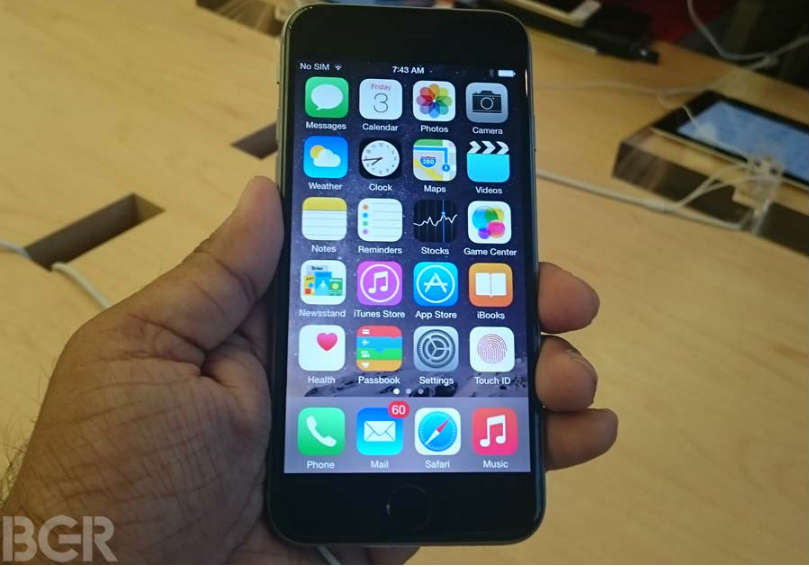
The absence of a physical keyboard in favor of a single button and a large touch screen was a clear indication of this. The Nokia N95, on the other hand, had a variety of buttons and a slide feature that let you see a standard phone keypad. The significant differences in the software that controlled the two phones were even more significant. Apple iOS, on the other hand, was centered on the touch screen and featured gesture controls as well as a fully functional web browser and, of course, apps. Nokia was constrained by the cumbersome Symbian operating system and its complicated user interface. Innovative technology An excellent illustration of disruptive technology is the Apple iPhone. It seemed to come out of nowhere, flipped conventional wisdom on its head, and demonstrated that design can prevail over raw technology. No matter how you feel about Apple as a business—it seems to have as many skeptics as ardent supporters—there is no denying that it revolutionized smartphone design. The Nokia N95 has style, appearance, and features in common with all smartphones manufactured prior to 2006. In contrast, smartphones began to imitate the iPhone’s sleek, black simplicity after its launch. The iPhone effectively ended Nokia’s existence. It first clung on to its Symbian operating system while Apple forged ahead and then switched to Microsoft when the rest of the industry moved to Android. Apple overtook Nokia as the market leader in smartphone sales in 2011. The company fell precipitously after this, and the mobile industry turned its attention away from Europe. Samsung dominates smartphone sales today, followed by Apple and the Chinese company Huawei, with Android being the most widely used operating system. Having said that, it’s hard to find a smartphone in today’s market that doesn’t look a lot like the iPhone. Not bad for a piece of “inferior” technology.