

/https://tf-cmsv2-smithsonianmag-media.s3.amazonaws.com/filer_public/9c/82/9c82e291-a42e-45db-8fcc-27cadfe320ca/selection_of_nokia_mobile_handsets_including_unseen_prototypes___credit__aleksi_poutanen__aalto_university_2024.jpg)
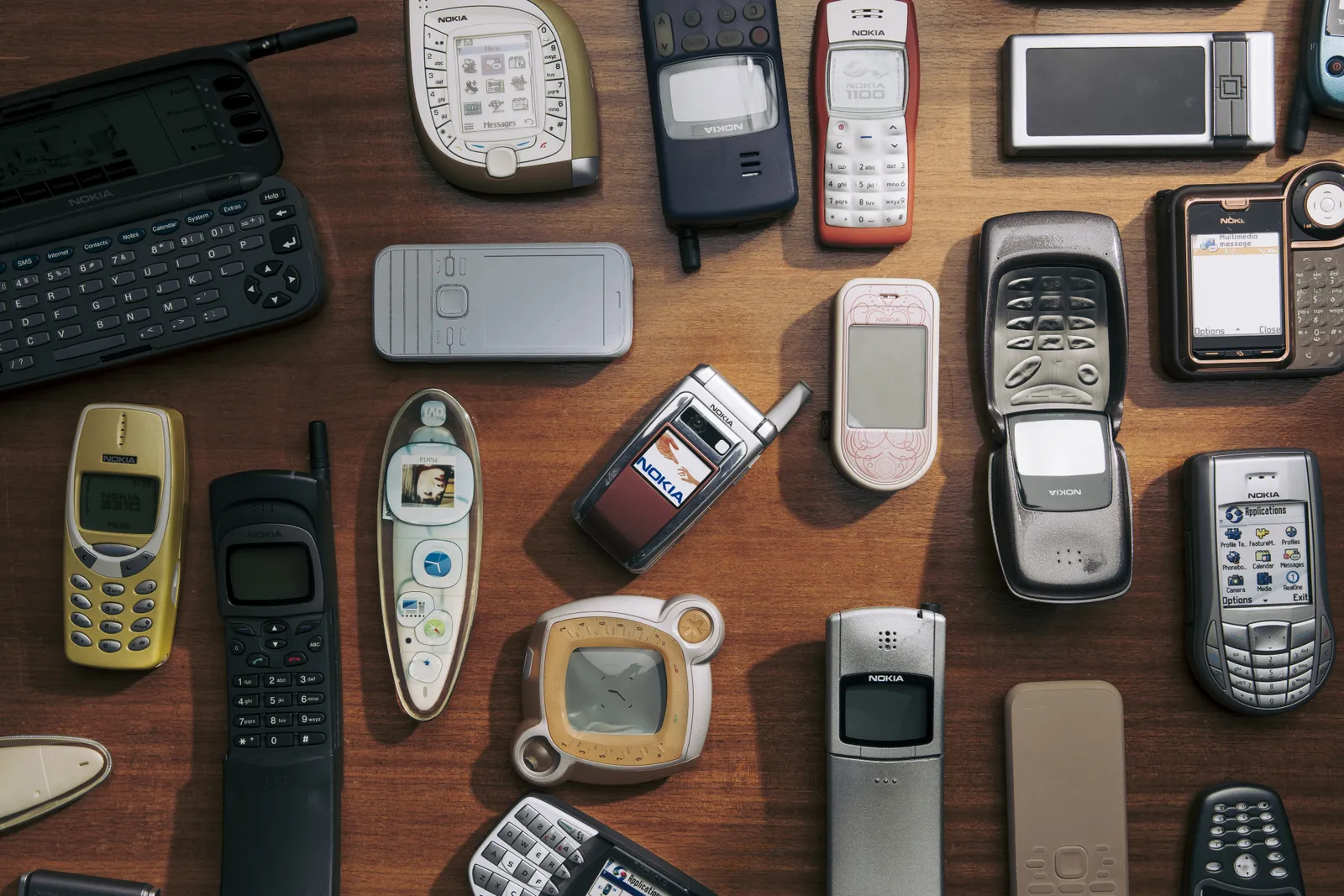
For many people, the name Nokia instantly brings back memories of nearly indestructible phones with legendary battery life. These were the devices that could survive accidental drops and still keep running for days on a single charge. And of course, there was the addictive charm of Snake, a simple game that kept millions entertained.
While those early devices shaped Nokia’s reputation for durability and reliability, the company hasn’t remained stuck in the past. Over the last several years, Nokia has steadily introduced a range of smartphones and feature phones designed to serve different types of users—from budget buyers to outdoor enthusiasts.
A Clear Direction in Recent Nokia Phones
Looking at Nokia’s device releases over the past few years reveals a deliberate product strategy focused on accessibility, reliability, and practicality.
In 2022, the company expanded its C-series, launching models like the Nokia C21 and Nokia C21 Plus. These phones were designed as affordable smartphones that provide everyday essentials such as stable performance, basic photography, and dependable battery life. They target users who want a reliable device without spending heavily.
Alongside the C-series, Nokia introduced models in its G-series, including the Nokia G11 and Nokia G21. These devices aimed to deliver longer battery life and slightly stronger performance, positioning them as practical midrange options for users who rely heavily on their phones throughout the day.
Blending Nostalgia with Modern Connectivity
The year 2021 was particularly notable for Nokia because it combined nostalgia with new technology.
One highlight was the revival of the Nokia 6310 (2021), a modern remake of a beloved classic. The device appealed to people who appreciate straightforward phones focused on calls, texts, and reliability rather than complex smartphone features.
Nokia also released budget-friendly 4G feature phones such as the Nokia 110 4G and Nokia 105 4G. These models were introduced across multiple regions, including Asia-Pacific, Europe, and China, reflecting Nokia’s goal of expanding affordable connectivity worldwide.
At the same time, Nokia explored a more specialized category with the Nokia XR20, a rugged smartphone built to withstand tough environments. Designed with durability in mind, the XR20 appealed to outdoor enthusiasts and professionals working in demanding conditions.
Building a Diverse Smartphone Portfolio
Looking further back to 2020 and 2019, Nokia continued strengthening its lineup with devices like the Nokia 5.4, Nokia 3.4, and Nokia 1.4. These smartphones provided reliable performance at different price points, giving consumers a variety of choices depending on their needs and budgets.
Even older models such as the Nokia 2.3 and Nokia 7.2 were released in multiple regional versions. This strategy demonstrates Nokia’s understanding that smartphone preferences vary across markets, and it highlights the company’s long-standing global presence.
Where Nokia Fits in the Modern Smartphone Market
Today’s smartphone industry often focuses on cutting-edge innovations like foldable displays, advanced camera systems, and experimental designs. While Nokia occasionally explores new technology, its main strength lies elsewhere.
The brand has built a reputation for delivering reliable, practical devices that focus on real-world usability.
-
The C-series primarily targets the budget smartphone segment, offering essential features at accessible prices.
-
The G-series provides a midrange experience, particularly appealing to users who want strong battery life without paying flagship prices.
-
Devices like the XR20 represent Nokia’s presence in the rugged smartphone market, catering to people who need durability above all else.
The Quiet Strength Behind Nokia’s Strategy
Nokia’s approach reflects a balance between honoring its heritage and responding to current market needs. Rather than chasing every new trend, the company continues to focus on the qualities that made its phones famous in the first place—durability, reliability, and practical design.
For many users, a phone doesn’t need to be packed with experimental technology. It simply needs to work well, last long, and stay dependable throughout daily life.
That philosophy is what keeps Nokia relevant today. From classic feature phones to modern smartphones, the brand continues to create devices designed to fit naturally into people’s everyday routines—whether that means staying connected with family, managing work on the go, or simply enjoying a phone that can be trusted to keep going.