


Nokia was the undisputed market leader in mobile phones at the beginning of the 2000s. Known for durable hardware and long-lasting batteries, it held more than 40 per cent of the global market. Millions of people can now use mobile communication thanks to the inexpensive handsets and straightforward menu design of the Finnish brand. Nokia’s position as the world’s leading phone manufacturer is further solidified by its robust supply chain and extensive patent portfolio. Missed software shift

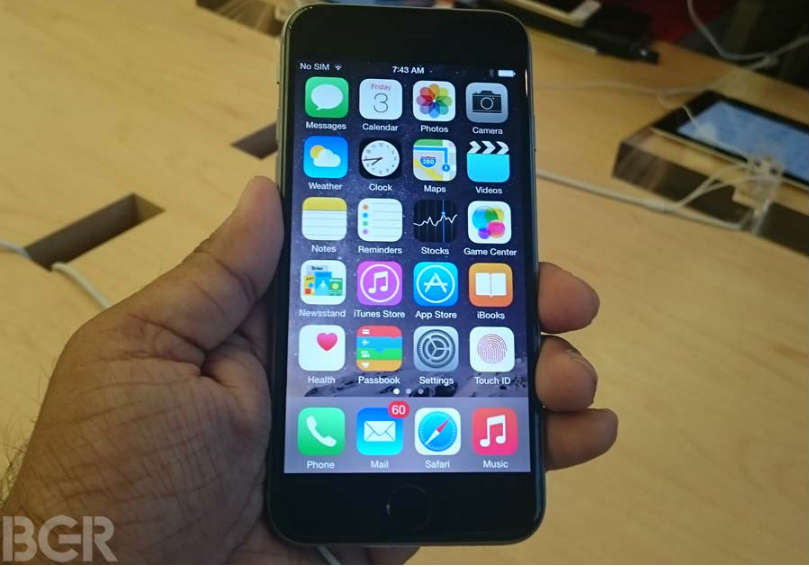
Although Nokia’s success was based on its expertise in hardware, that strength obscured a significant weakness: software. The company was reliant on the out-of-date Symbian operating system, which was difficult to use for developers and took a long time to update. When Apple introduced the iPhone in 2007, consumers discovered touchscreens, a fluid interface and an easy-to-use app store. Soon after, Google’s Android offered manufacturers a free, flexible platform that quickly attracted both developers and users.
Inside Nokia, decision-making became slow. Separate business units were vying for influence, and leaders were reluctant to abandon established, profitable models. Engineers produced promising prototypes, but many never reached shops because managers feared upsetting existing product lines. By underestimating the importance of a rich software ecosystem, Nokia lost ground just as the smartphone era was taking shape.Fall and Microsoft rescue attempt
Nokia reached a deal with Microsoft in 2011 to use Windows Phone in its new Lumia line as a late attempt to catch up. The hardware received praise from reviewers, but the limited app selection failed to entice customers who were already using iOS and Android. Market share continued to slide; however, in 2014 Microsoft bought Nokia’s handset division for about 7 billion US dollars to rescue it. Within two years, Microsoft also exited the mass-market phone business, ending Nokia’s reign in mobile devices.
Nokia has since reinvented itself as a major player in 5G network equipment and digital infrastructure, but its former dominance in consumer handsets is gone. The episode shows that even an industry leader with strong cash reserves can falter when it reacts too slowly to disruptive change.
Lessons for tech companies today The Nokia story highlights three essential points: Hardware alone is not enough; users value seamless software and services.
Speed matters; large firms must cut internal barriers to act quickly.
Past success does not secure the future; continuous adaptation is essential.