


Artificial intelligence (AI) is no longer confined to cloud data centers. Today, AI is increasingly moving closer to where data is created—on smartphones, industrial machines, autonomous vehicles, smart cameras, medical devices, and Internet of Things (IoT) sensors. This shift has given rise to Edge AI, a technology that enables AI models to process data locally rather than relying solely on cloud computing.
As demand for faster, more secure, and energy-efficient AI solutions grows, Edge AI has become one of the most significant trends in the semiconductor and technology industries. Behind this transformation lies a new generation of scalable silicon innovation, designed to deliver powerful AI performance while meeting the constraints of edge devices.
In this article, we explore the rise of Edge AI, the market forces driving its growth, and how scalable silicon innovation is powering the next generation of intelligent devices.
Table of Contents
ToggleWhat Is Edge AI?
Edge AI refers to the deployment of artificial intelligence algorithms directly on edge devices—hardware located close to where data is generated. Instead of sending every piece of information to a centralized cloud server, these devices analyze data locally and make decisions in real time.
Examples of Edge AI devices include:
- Smartphones
- Smart security cameras
- Industrial robots
- Autonomous vehicles
- Medical monitoring devices
- Smart home assistants
- Wearable fitness trackers
- Retail checkout systems
This local processing improves speed, reduces latency, and enhances privacy.
Why Edge AI Is Growing Rapidly
Several factors are accelerating the adoption of Edge AI across industries.
Demand for Real-Time Decision-Making
Many applications cannot afford delays caused by transmitting data to cloud servers.
Examples include:
- Self-driving vehicles detecting obstacles
- Manufacturing equipment identifying defects
- Medical devices monitoring patients
- Smart traffic management systems
Edge AI enables near-instant responses that improve safety and efficiency.
Increased Privacy and Security
Processing sensitive information locally reduces the need to transmit personal or confidential data across networks.
This is particularly valuable in:
- Healthcare
- Finance
- Government
- Industrial operations
Keeping data on the device can help organizations meet privacy and regulatory requirements while reducing exposure to cyber threats.
Reduced Network Dependence
Edge AI devices continue operating even when internet connectivity is limited or unavailable.
This is especially useful for:
- Remote industrial sites
- Agricultural operations
- Offshore facilities
- Emergency response systems
- Rural healthcare
Reliable local intelligence ensures uninterrupted performance.
Market Momentum Behind Edge AI
The global Edge AI market has expanded rapidly as organizations seek smarter and more efficient computing solutions.
Growth is being driven by:
- Expansion of IoT devices
- Advances in semiconductor technology
- Increased automation
- 5G connectivity
- Demand for AI-powered consumer electronics
- Smart manufacturing initiatives
- Autonomous transportation
Businesses increasingly recognize Edge AI as a strategic investment that enhances productivity and innovation.
The Role of Scalable Silicon Innovation
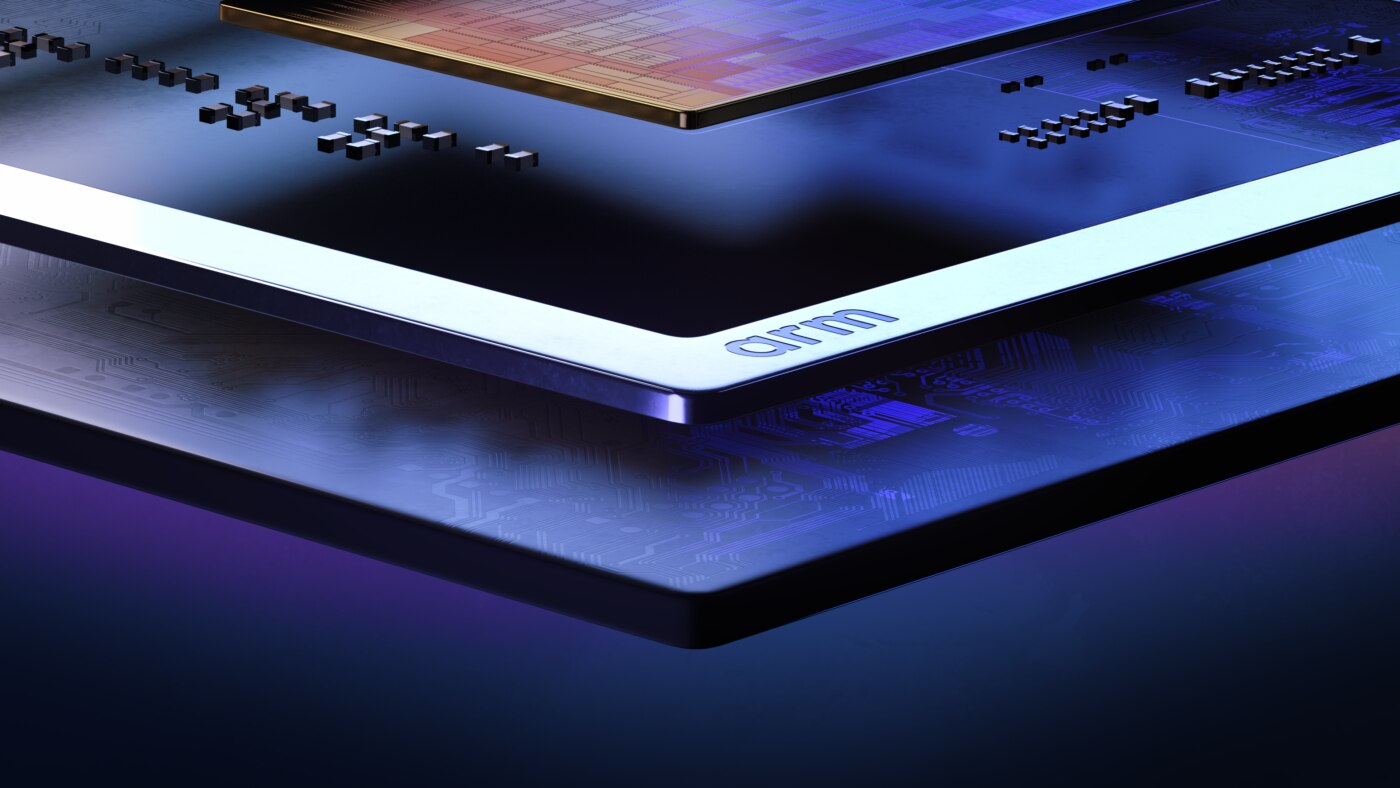
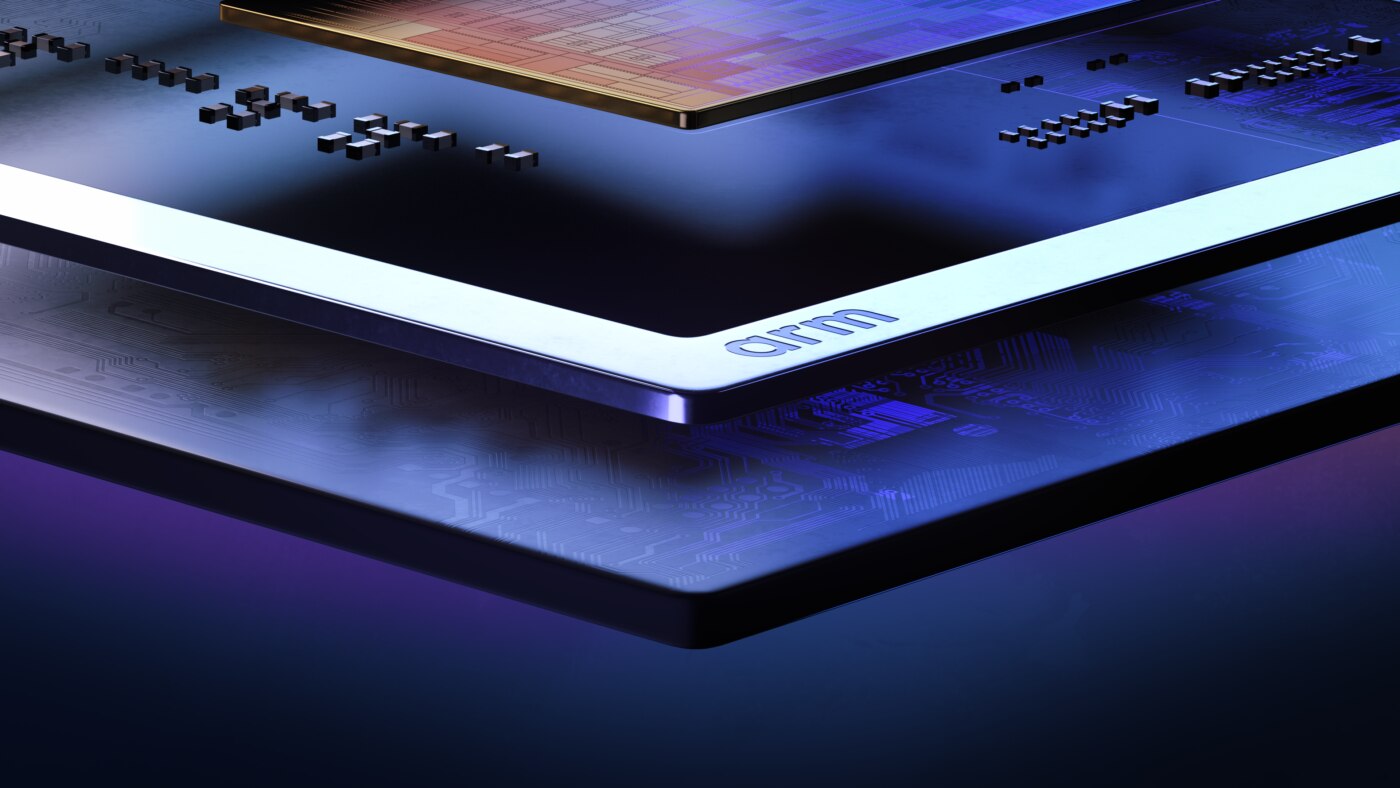
At the heart of Edge AI is silicon—the semiconductor technology that powers modern processors.
Traditional CPUs alone often struggle to handle demanding AI workloads efficiently. As a result, chip manufacturers are developing specialized silicon architectures optimized for machine learning and neural network inference.
These innovations include:
AI Accelerators
Dedicated AI accelerators improve the speed and efficiency of AI computations while consuming less power than general-purpose processors.
Neural Processing Units (NPUs)
NPUs are specialized processors designed specifically for AI tasks such as:
- Image recognition
- Voice processing
- Natural language understanding
- Computer vision
They enable advanced AI features in smartphones, laptops, and embedded systems.
Energy-Efficient Architectures
Edge devices often operate on batteries or within strict power budgets.
Modern semiconductor designs focus on:
- Lower energy consumption
- Higher performance per watt
- Efficient thermal management
- Extended battery life
These improvements are critical for portable and embedded applications.
Key Applications of Edge AI
Smart Manufacturing
Factories increasingly use Edge AI to monitor equipment, detect defects, and optimize production processes.
Benefits include:
- Predictive maintenance
- Reduced downtime
- Improved quality control
- Enhanced worker safety
Healthcare
Edge AI supports medical applications by enabling rapid analysis of health data directly on medical devices.
Examples include:
- Wearable health monitors
- Medical imaging systems
- Remote patient monitoring
- Diagnostic assistance
Local processing can reduce response times while protecting sensitive patient information.
Autonomous Vehicles
Self-driving cars rely on Edge AI to interpret data from cameras, radar, and sensors in real time.
These systems continuously analyze:
- Traffic conditions
- Road signs
- Pedestrians
- Lane markings
- Vehicle movements
Fast decision-making is essential for safe operation.
Smart Cities
Edge AI helps cities improve infrastructure through intelligent systems that manage:
- Traffic signals
- Public transportation
- Energy consumption
- Waste management
- Public safety
These technologies contribute to more efficient urban environments.
Retail
Retailers use Edge AI for:
- Inventory management
- Customer analytics
- Automated checkout
- Personalized shopping experiences
- Loss prevention
Real-time insights improve both operational efficiency and customer satisfaction.
Challenges Facing Edge AI
Despite its advantages, Edge AI presents several technical and operational challenges.
Limited Computing Resources
Edge devices typically have less processing power and memory than cloud servers.
Developers must optimize AI models to run efficiently on constrained hardware.
Power Constraints
Many devices depend on battery power, making energy efficiency a critical design priority.
Model Optimization
AI models often need to be compressed or optimized without significantly reducing accuracy.
Techniques such as quantization and pruning help reduce computational requirements.
Security Risks
Although local processing enhances privacy, edge devices must still be protected against unauthorized access, malware, and software vulnerabilities.
Strong encryption, secure boot mechanisms, and regular updates play an important role in protecting Edge AI systems.
Emerging Trends in Edge AI
Several innovations are shaping the future of Edge AI.
TinyML
TinyML enables machine learning on extremely small, low-power microcontrollers.
Applications include:
- Environmental monitoring
- Smart sensors
- Wearable devices
- Home automation
AI and 5G Integration
The combination of Edge AI and 5G enables faster communication, lower latency, and more responsive connected devices.
Generative AI at the Edge
Advances in model efficiency are making it increasingly feasible to run compact generative AI models directly on personal devices, enabling features such as on-device writing assistance, image enhancement, and voice processing while improving privacy.
Heterogeneous Computing
Future chips increasingly combine CPUs, GPUs, NPUs, and other specialized processors to efficiently handle diverse workloads on a single platform.
Best Practices for Organizations
Businesses planning to adopt Edge AI should consider the following:
- Identify applications that require real-time processing.
- Choose hardware designed for AI workloads.
- Optimize models for edge deployment.
- Prioritize cybersecurity throughout the device lifecycle.
- Ensure software can be updated securely.
- Plan for scalability as AI workloads evolve.
- Monitor system performance continuously.
A well-planned strategy helps maximize the benefits of Edge AI while reducing operational risks.
The Future of Scalable Silicon Innovation
As AI applications become more sophisticated, semiconductor innovation will continue to evolve.
Future silicon technologies are expected to offer:
- Higher AI performance
- Lower energy consumption
- Greater integration of AI accelerators
- Improved memory architectures
- Enhanced security features
- Better support for multimodal AI workloads
These advances will enable increasingly capable intelligent devices across industries.
Conclusion
Edge AI is transforming the way artificial intelligence is deployed by bringing powerful computing directly to the devices that generate data. This shift enables faster decision-making, stronger privacy protections, lower latency, and greater operational efficiency across sectors such as healthcare, manufacturing, transportation, retail, and smart cities.
Driving this transformation is the rapid evolution of scalable silicon innovation. Specialized processors, energy-efficient chip designs, and AI accelerators are making it possible to run sophisticated AI models on compact, resource-constrained devices. As demand for intelligent, connected systems continues to grow, advancements in semiconductor technology will remain central to unlocking the next wave of Edge AI and shaping the future of digital innovation.